Japan
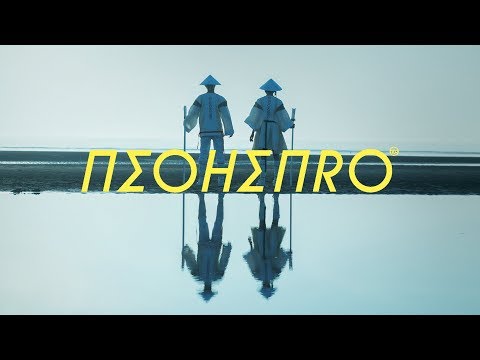
Takamatsu Airport has released a new online video ahead of the privatization of the airport on April 1, 2018. The video, entitled, Neohenro (“New Pilgrimage”), features 88 photo opportunities in Shikoku that convey the present-day charms of Japan’s fourth largest island. It introduces 88 new attractions in a sleek modern update on the historic Shikoku Henro, a multi-site pilgrimage route encompassing 88 temples associated with the monk Kukai (774–835), an influential figure in the evolution of Japanese Buddhism. Starting and ending at Takamatsu Airport in the north of Shikoku, the video takes viewers on a journey clockwise around the island, through Kagawa, Tokushima, Kochi, and Ehime Prefectures. As well as established tourist spots, the route includes less-well known attractions selected for their photogenic appeal. Film advertisement created by Dentsu, Japan for Takamatsu Airport, within the category: Transport.
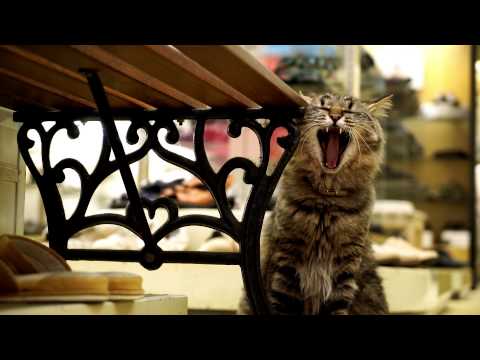
Digital advertisement created by BBDO, Japan for Hiroshima Tourism Board, within the category: Transport.
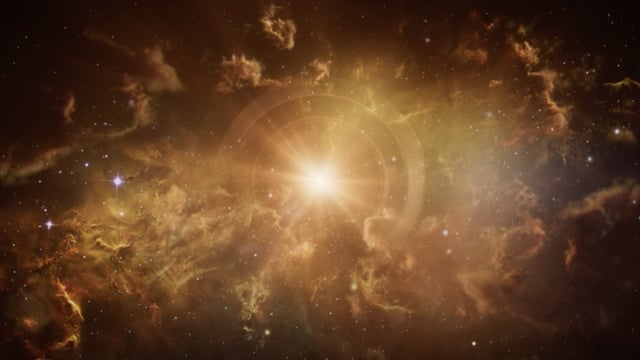
Quality is key. NHK (Nippon Hōsō Kyōkai) – Japan Broadcasting Corporation knows it very well. The company has launched two new channels with 4K & 8K images only. Together with the amazing Takcom director & Neandertal agency we've created a few promotional videos for his innovative TV station.

Production: Synario inc. / plaplax ltd. / amana inc. Ambient advertisement created by Leo Burnett, Japan for Asazuke No Moto, within the category: Non-Alcoholic Drinks.

Ambient advertisement created by JWT, Japan for Avex, within the category: Electronics, Technology.

Film advertisement created by Dentsu, Japan for Netflix, within the category: Media.

This movie is an expression of the tremendous power of the wind speed in FlyStation’s “Wind Tunnel”. You will be “blown away” with the maximum wind speed of 360km/h created by one of the most advanced wind tunnel technologies available. Film advertisement created by Frontage, Japan for FlyStation, within the category: Recreation, Leisure.

Under the full cooperation of the FFXIV development team, the original story I wrote down. With the great ocean city "Yokohama" which flourished with trading more than in the age of the era, the battle of summoned beast Bajamut and light warriors is drawn. Outdoor advertisement created by Dentsu, Japan for Final Fantasy, within the category: Gaming.
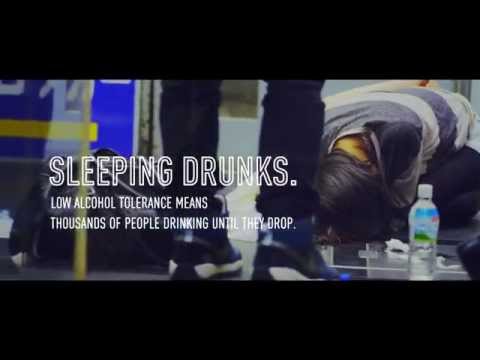
Ambient advertisement created by Ogilvy, Japan for Yaocho Bar Group, within the category: Recreation, Leisure.

Bacardi’s brand slogan is to “set the heart free”. We focused on the tendency for drinkers to get louder as they consume alcohol. By raising their voices when they drink, people naturally enjoy releasing tension. So we prepared an uproarious festival, where people could forget themselves by screaming with the loudest voice of their life. Ambient advertisement created by Dentsu, Japan for Bacardi, within the category: Alcoholic Drinks.

Digital advertisement created by Dentsu, Japan for Honda, within the category: Automotive.
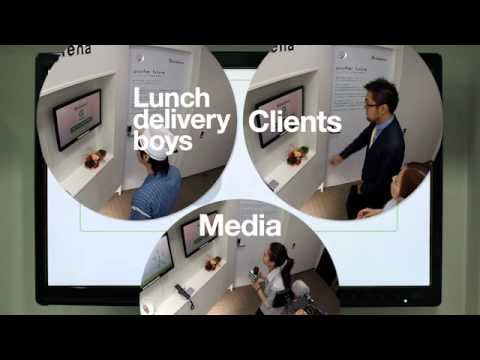
The euglena company was trying to solve world's food & energy shortage problems by developing various euglena products. However, in Japan, nobody knew about the big potential of euglena and, to make things worse, many Japanese misunderstood euglena as a"worm," like this, as its Japanese name is "green worm." As a result, Euglena was considered to be a weird company that makes Food and fuels out of worms. To correct this wrong perception, we've placed a special device called "the entrance quiz", at the front desk of the company. Sound Design: Atsushi Shimomura / Sosa Co. Ambient advertisement created by Dentsu, Japan for Euglena, within the category: Food.

Film advertisement created by Ogilvy, Japan for IFAW, within the category: Public Interest, NGO.
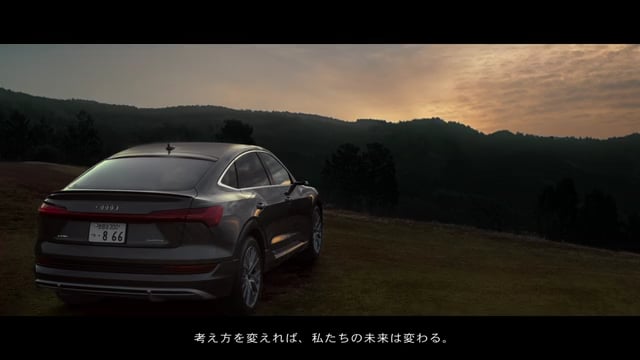
Film advertisement created by Wieden + Kennedy, Japan for Audi, within the category: Automotive.

Who are these men in white costume? Where is this place? What’s going to happen? The Indoor Skydivers featured in this movie are instructors at FlyStation Japan. Enjoy the magnificence, the art, and beauty in the “Mystery of Life”. Film advertisement created by Frontage, Japan for FlyStation, within the category: Recreation, Leisure.

Content advertisement created by Dentsu, Japan for Dunlop, within the category: Automotive.

Madame Tussauds Tokyo is a wax museum in Tokyo. This is a project movie for a special event held in Tokyo in July 2018. June 2018, the summit meeting that drew worldwide attention was held in Singapore. It was a giant step forward world peace. To maintain the hope for peace like never before, a special barber shop called "PEACE BARBER" was opened in Tokyo for a day. It was a special barber shop to present peace by giving a special haircut. A peace barber shop where you can take pictures with Donald Trump figure and wish for peace by posting them on social media.

Ambient advertisement created by Dentsu, Japan for Epson, within the category: Electronics, Technology.

Film advertisement created by Ogilvy, Japan for IFAW, within the category: Public Interest, NGO.

Branding for KINDAI Univ., Fac. of Engineering. Film advertisement created by BBDO, Japan for Kindai University, within the category: Education.